
Flood damage can turn your life upside down. Whether the flooding was caused by heavy storms, plumbing failures, hurricanes, or rising water levels, dealing with a damaged home is overwhelming. If you own a flood-damaged property in Georgia — especially in areas like Augusta where storms and heavy rains are common — you may be wondering if selling is even possible.
The good news is: yes, you can sell a flood-damaged house in Georgia. The key is understanding your options and choosing the path that fits your timeline, finances, and stress level.
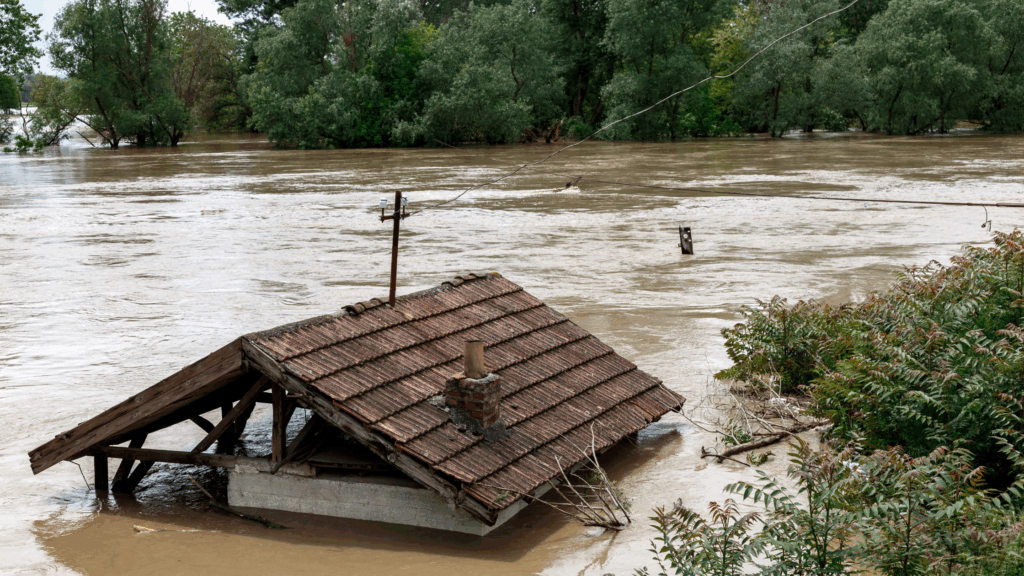
Understanding Flood Damage in Georgia Homes
Flood damage can range from minor water intrusion to severe structural and foundation issues. Common problems include:
- Mold and mildew growth
- Warped flooring and drywall damage
- Electrical system hazards
- HVAC contamination
- Structural weakening
- Foundation shifting
In Georgia’s humid climate, moisture issues can worsen quickly if not addressed. Even after water recedes, long-term damage may continue beneath the surface.
Because of these risks, traditional buyers are often hesitant to purchase flood-damaged homes — especially if repairs haven’t been completed.
Disclosure Requirements in Georgia
Georgia law requires sellers to disclose known material defects. If your property has experienced flooding, you must disclose:
- Past flood events
- Water intrusion issues
- Mold problems
- Structural damage
- Insurance claims related to flooding
Being transparent protects you legally and builds trust with potential buyers. Trying to hide flood damage can lead to legal trouble long after closing.
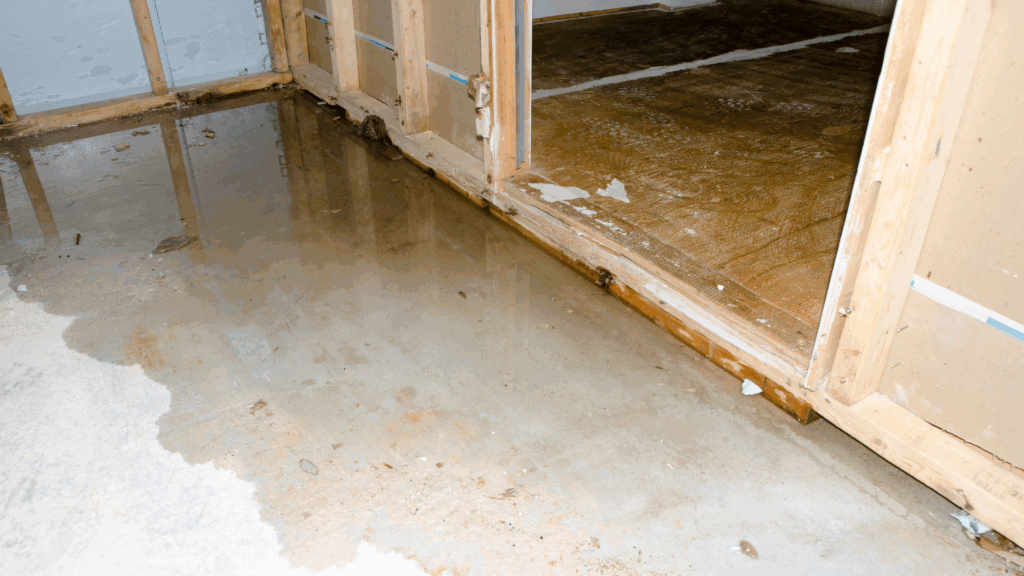
Option 1: Repair Before Selling
Some homeowners choose to restore the property before listing it. This may involve:
- Professional water remediation
- Mold removal
- Replacing flooring and drywall
- Electrical inspections and updates
- Foundation repairs
While repairs can increase market appeal, they can also be extremely expensive. Depending on severity, restoration can cost thousands — sometimes tens of thousands — of dollars.
Additionally, there’s no guarantee you’ll recover every dollar spent in the final sale price.
Option 2: Sell As-Is to a Traditional Buyer
It is possible to list a flood-damaged home as-is on the market. However, there are challenges:
- Buyers may request deep discounts
- Inspections can trigger repair negotiations
- Lenders may deny financing
- The home may sit on the market longer
Flood-damaged properties often scare off retail buyers unless they’re experienced investors.
Option 3: Sell As-Is to a Cash Buyer
Many Georgia homeowners choose to sell flood-damaged properties directly to a cash buyer. This option eliminates:
- Repair costs
- Showings and staging
- Inspection negotiations
- Financing delays
Cash buyers evaluate the property based on its current condition and factor repairs into their offer. Because there is no lender involved, the sale process is typically faster and more predictable.
For homeowners dealing with insurance delays, financial strain, or emotional exhaustion after flood damage, this can be the simplest path forward.
How Long Does It Take to Sell a Flood-Damaged Home?
With a traditional listing, sales can take months — especially if the damage is significant.
With a direct cash sale, you may receive an offer within 24–48 hours and close in as little as 7–14 days. This timeline can be crucial if:
- You’re facing ongoing repair costs
- Insurance payouts are delayed
- The property is unsafe to occupy
- You want to avoid further deterioration
Speed can protect your equity and reduce ongoing expenses.
Important Steps Before Selling
If you’re planning to sell a flood-damaged property in Georgia, consider these steps:
- Document all damage with photos and repair estimates.
- Gather insurance claim paperwork (if applicable).
- Request a payoff statement for your mortgage.
- Understand local market values in your area.
- Get multiple opinions if you’re unsure of your home’s worth.
Even if you sell as-is, having documentation helps you understand your options clearly.
When Selling As-Is Makes the Most Sense
Selling as-is may be the best option if:
- Repairs exceed your budget
- Mold remediation is extensive
- Structural damage is severe
- You need to relocate quickly
- You want to avoid the stress of restoration
In these situations, a straightforward sale can provide peace of mind and financial clarity.
Final Thoughts
Flood damage doesn’t mean your property is unsellable. In Georgia, homeowners have multiple options — from full restoration and traditional listing to fast as-is cash sales.
The right decision depends on your timeline, finances, and tolerance for risk. Some sellers prioritize maximum price and are willing to invest in repairs. Others value certainty and speed.
If you own a flood-damaged property in Georgia and want to explore your options, getting a professional evaluation — even just for comparison — can help you move forward confidently.